Composite Bonding
Chips, small gaps, and worn-away edges on the teeth can increase over time. You have noticed it once or twice and now it is on your mind more often. This is the best way to book in for a visit to discuss your options. At ieDental, we use composite tooth bonding to rebuild spots with tooth-coloured resin in a single visit, no lab wait and minimal drilling. You leave the same day with a more natural-looking smile.
Professional Affiliations & Clinical Standards





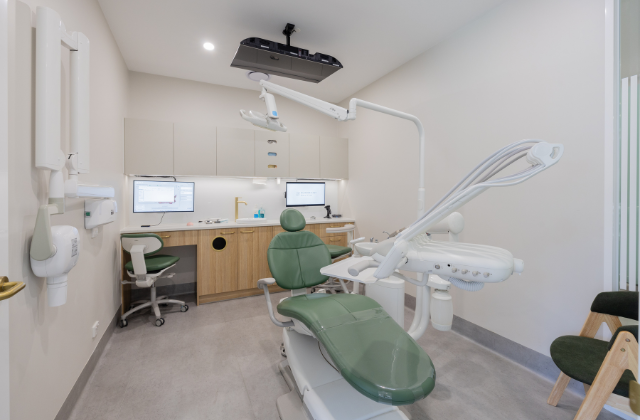
Small fixes that make a real difference in your smile
Composite Bonding in Melbourne
If a small flaw has been bothering you but you’d rather avoid major dental work, composite bonding can be a conservative place to start. At ieDental, we treat it as a considered cosmetic option rather than a one-size-fits-all fix, taking the time to understand what’s bothering you before we suggest anything. We’ll only recommend it if it genuinely suits your teeth.
TOOTH-COLOURED RESIN, EXPLAINED
What Is Composite Bonding?
Composite resin bonding is a procedure to give a tooth a new shape. We put a soft material onto the tooth’s surface. Then we mould it to match the shape and shade you want and harden it with a setting light. In most cases, there’s no need to take away healthy enamel. The whole process happens in one visit at our Ivanhoe clinic, so you walk out with the work already done.
ieDental uses the same kind of material that goes into modern white fillings. The composite bonding made of a mix of a plastic gum and fine glass or ceramic bits is a well-established material used widely in dentistry. It sticks very well and looks natural when we polish it, plus we can adjust it later if needed. Most people find the appointment comfortable because we normally don’t need to adjust the tooth structure or numb the area.
Step by step, here’s what happens:
- We pick a shade that blends with your own teeth.
- The surface gets a light clean so the resin holds.
- We layer and shape the material.
- A light sets it firm.
- A final polish makes it smooth and shiny.
This elective cosmetic procedure is not medically necessary. Treatment suitability and individual results vary. Professional assessment required. Treatment risks and recovery information can be found here.
Request An Appointment
Your dentist is here to help
What Can Composite Bonding Fix?
It can fix various issues and is a practical way to tidy up small things that catch the eye when you look in the mirror or smile at someone. Our clinic uses it for tooth problems that don’t need major work, sorting them out in one visit to improve your comfort fast.
These are the main concerns we address when composite bonding teeth.
- Chipped Teeth
A small chip from a fall or bite can leave a rough edge. That can hurt your tongue or show when you smile. We add the missing piece so the tooth looks and feels normal again, often in under an hour. - Small Gaps Between Teeth
When the space isn’t too big, composite teeth bonding can close it without braces or orthodontics. The resin is added to the sides of the neighbouring teeth until the gap disappears and your smile is more aligned and natural-looking. - Worn or Uneven Tooth Edges
Years of grinding or biting habits (often linked to TMJ) can make tooth edges flat. Composite edge bonding improves length and a smoother outline. After the work, we check if a night guard might help protect it. - Small or Misshapen Teeth
Peg-shaped or slightly undersized teeth can be built out to sit in better proportion with the rest of the smile. Because the resin we add at ieDental is shaped carefully, it blends nicely and does not stand out. - Mild Discolouration and Minor Asymmetry
Teeth composite bonding can mask light surface stains or slight unevenness. It does not replace whitening for deeper colour change. And at ieDental, we will always talk you through that
IS COMPOSITE BONDING RIGHT FOR YOU?
Who Is a Good Candidate for Composite Bonding?
You are likely a good fit if you have:
- Healthy teeth and gums.
- Only minor teeth issues.
- A desire for a cosmetic option that less intrusive
- Realistic expectations about what bonding can do – bonding improves appearance.
The benefits of composite bonding for teeth include:
- One visit is enough (for the majority of people).
- Little or no drilling of healthy teeth.
- Minimal tooth preparation
- More affordable starting point than veneers.
- The process is less complex.
Request An Appointment
How They Compare
Composite Bonding vs Veneers vs Invisalign
There are three options we advise patients to compare and think about when they want to improve their smile. The table below shows what those are and how they differ so you can see which one might suit you.
- Cost – Composite bonding: $250–$400 per tooth | Porcelain veneers: $1800–$2100 per veneer | Invisalign: Course fee
- Time – Composite bonding: One visit | Porcelain veneers: Two or more visits | Invisalign: Months of wear
- Longevity – Composite bonding: 5–7 years | Porcelain veneers: 10–15 years | Invisalign: Depends on retention
- Reversibility – Composite bonding: Minimal tooth preparation | Porcelain veneers: Enamel is reduced | Invisalign: Fully reversible
- Best for – Composite bonding: Chips, small gaps, worn edges | Porcelain veneers: Broader shape and colour change | Invisalign: Alignment of teeth
Check our veneers and Invisalign pages if you want to learn more about these treatments. The right choice will depend on what worries you the most and how long you want the fixed tooth to last.
PRICING & PAYMENT OPTIONS
Composite Bonding Cost in Melbourne
What is the cost of composite bonding? Composite Bonding costs between $250 – $400 per tooth. Our clinic believes you should have clear, honest information so you can decide with confidence. We don’t leave you guessing about fees or add unexpected charges later.
Starting Price
The starting figure per tooth is confirmed at your consultation once we have seen what work needs to be done on your teeth. No estimate can be given until that assessment is complete and you have a clear written quote.
What Affects the Cost
There are a few things that affect the cost of composite bonding Melbourne. How many teeth there are to fix, the size of each repair, and whether whitening is done first all affect the total. More complex reshaping takes longer and is reflected in the fee.
Payment Plans
ieDental accepts HICAPS for instant rebates from all Australian private health funds. DentiCare and Afterpay options are available to spread the balance. Visit our payment pages for more details.
Caring for Bonded Teeth After Treatment
It’s really important to look after your teeth after bonding. You can do that by not biting pens, ice, and fingernails, etc. Not having staining foods/drinks and rinsing after coffee or red wine is also helpful. Brush and floss as normal, and come in for regular reviews so we can polish or touch up areas that need work. If you grind at night, we may suggest you get a protective guard that can help the bonding last a bit longer.
30
Years of combined experience
PATIENT CARE PROCESS
What to Expect During Your Composite Bonding Appointment
Your appointment begins with a friendly meeting and greeting. From there, we move straight into the practical steps, letting you know what’s happening at each stage. Everything is done in the chair with you able to see and give feedback as we go.
Step 1: Consultation and Smile Assessment
We look at your teeth and talk to you about what you want to change, then we let you know if bonding is the best match. Photos and shade notes are taken. That way, everything is consistent.
Step 2: Shade Matching and Resin Sculpting
The gummy material we use at Ivanhoe Dental Clinic is chosen to blend with your tooth colour. It’s put on in thin layers, shaped by hand, and hardened with a curing light until the form is right.
Step 3: Polishing and Final Bite Check
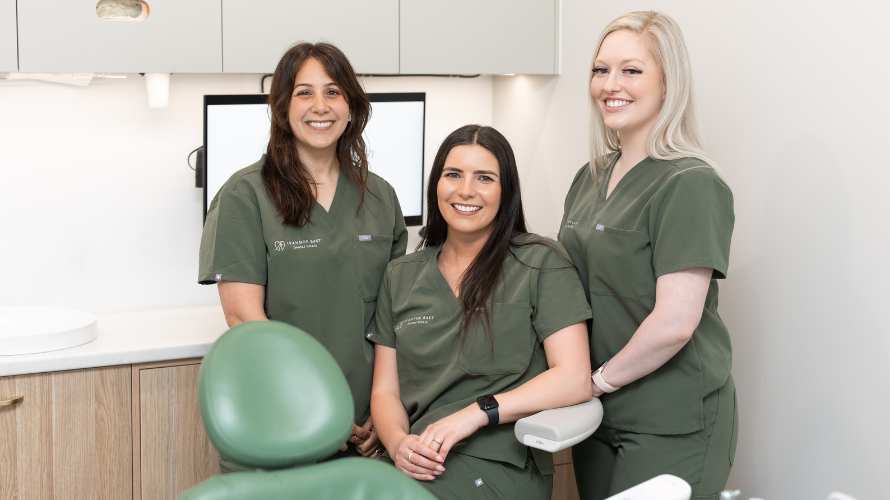
Tooth surfaces are smoothed and polished for a nice, clean sensation. Our experienced dentists, either Dr Khoo or Radhika, check how your teeth meet and make adjustments before you leave if necessary.
How Long Does Composite Bonding Last?
It can last a long time; however, it’s not exactly the same for everyone. Most of our patients find that the result lasts around five to seven years. But, your bite strength and habits play a part in how long it lasts. For example, nail-biting, chewing ice, or drinking dark drinks can shorten that time. Regular check-ups at ieDental let us catch chips early and repair them quickly. Good aftercare makes the biggest difference to how long the bonding stays looking its best.
Request An Appointment
Our Services
Our Professional Team
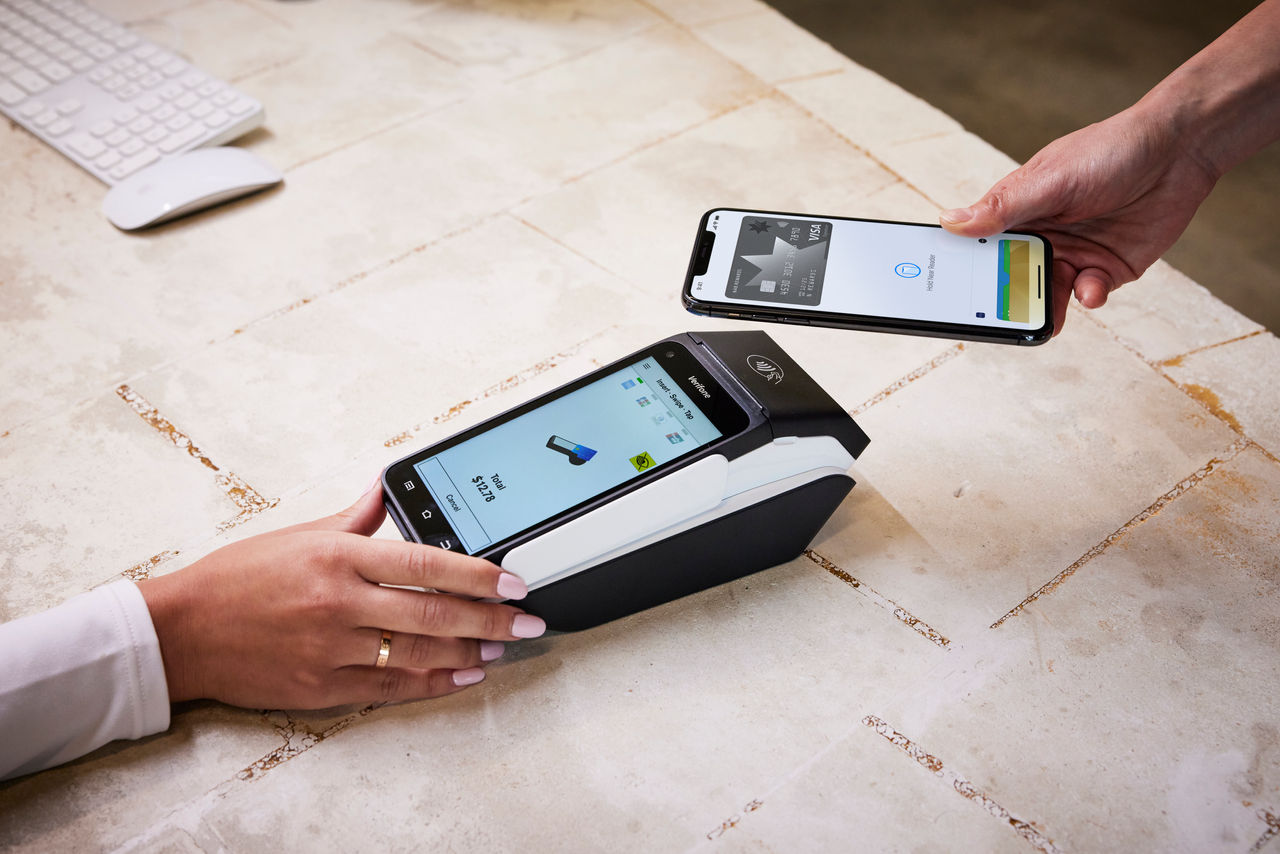
HICAPS & Flexible Payment Solutions*
At ieDental, we accept 100% of Australian private health insurers through HICAPS for instant rebates. For treatment balances, we offer a variety of manageable payment plans to suit your budget.
































*Terms and conditions apply. Please ensure you bring your physical or digital health fund card to your appointment.
Why choose our Dental Clinic
Comfort-focused care
Modern equipment
Transparent prices
How long does composite bonding last?
Composite bonding lasts more or less five to seven years. Most teeth stay looking good when you avoid hard habits and get check-ups. Small repairs can be done chairside if a chip happens earlier. Lifestyle and bite force play a large part in the final timeline.
Is composite bonding painful?
No, composite bonding normally isn’t painful. It’s usually done with no anaesthetic because little or no drilling is needed. You may feel light pressure while the resin is shaped, but most patients find it comfortable. Anaesthetic is available if you prefer.
Can composite bonding fix gaps?
Yes, composite bonding can fix gaps when the space is small. Resin is added to the sides of the teeth until the gap closes and the smile looks more continuous. Larger spaces may need orthodontic assessment first.
Does composite bonding stain?
Yes, composite bonding can get stained. The material can pick up colour from coffee, tea, red wine, or smoking with time. Polishing helps keep it looking fresh, and good habits between appointments lower the chance of change.
Who can have composite bonding?
Adults with healthy gums and minor cosmetic concerns are generally suitable to have composite bonding. Heavy grinders or people with bigger problems may be guided towards other options after we examine your teeth.
What is the difference between teeth bonding and veneers?
The difference between teeth bonding and veneers is bonding adds resin to and shaped while you are in the chair. Veneers cover the whole front area. They often need enamel removal and are made in the lab, then bonded at a second visit. As they are made from zirconia or porcelain, they are more durable however do come with a high spruce tag.
Is composite bonding available near Heidelberg and Eaglemont?
Yes, composite bonding is available near Heidelberg and Eaglemont. Patients from those suburbs and surrounding areas regularly visit our Ivanhoe East clinic for this treatment.
Advanced Technology for Your Comfort
We partner with global leaders in dental innovation to provide precise diagnostics and gentle treatment experiences.