Wisdom Tooth Removal
Wisdom teeth don’t make you smarter, but they sure can cause problems if they get infected or impacted. At ieDental, our team knows how to handle wisdom tooth extractions quickly and comfortably. We’re here to help manage your anxiety and make the process as straightforward as possible, whether your wisdom teeth are causing pain or crowding your other teeth.
Professional Affiliations & Clinical Standards




The best way to maintain a healthy smile is to be proactive!
Wisdom Teeth Removal in Ivanhoe
Whether your wisdom teeth have erupted or there’s no sign of them yet, they can still cause issues if they don’t have enough room to grow in properly. At ieDental, we recommend scheduling a general dentistry or teeth cleaning appointment to check the state of your wisdom teeth and determine if they might cause future problems.
3
Convenient locations
15
Experienced doctors
Why Do Wisdom Teeth Need to be Removed?
We’re putting your comfort first
Wisdom teeth gained their name because these are molars that typically don’t appear until young adulthood, when people are supposedly wiser. These teeth were useful to our ancestors, who had larger jaws and a diet that required more chewing power. However, as human diets and jaw sizes have evolved, many people no longer have enough space in their mouths for these extra molars to come in properly.
When wisdom teeth don’t have enough room to grow, they can become impacted, which means they’re stuck beneath the gum line or pushing against neighbouring teeth. Impacted wisdom teeth can lead to all kinds of problems, including toothaches, swelling, infection, and damage to adjacent teeth, which may call for additional extractions. Even if your wisdom teeth erupt normally, they can be difficult to clean due to their location at the back of the mouth, making them more susceptible to cavities and gum disease.
In some cases, we recommend removing wisdom teeth to prevent these issues before they arise. Impacted or poorly positioned wisdom teeth can cause pain and discomfort and may make your teeth shift and become crowded. By removing them, you can minimise the risk of potential complications.
Why Choose Us
The Wisdom Teeth Removal Procedure
When you come to ieDental for wisdom teeth removal, the first step is a thorough examination and X-ray to see exactly how your wisdom teeth are positioned. If we determine that your wisdom teeth need to be removed, we’ll discuss next steps and what’s involved in the procedure, so you know what to expect and feel comfortable.
If your wisdom teeth have already come through the gums and are sitting in a normal position, we can usually do a simple extraction. We’ll numb the area with local anaesthesia, and then we’ll carefully loosen the tooth and pull it out. We ensure the area is fully numbed for your comfort and we will provide detailed instructions to aid your recovery.
However, if your wisdom teeth are impacted, meaning they’re stuck under the gums or growing at an angle, you might need a bit more work. In that case, we’ll schedule you for surgical wisdom teeth extraction to safely take care of the problem. During the procedure, we’ll numb the area and, if needed, provide sedation to help you stay relaxed. We’ll make a small incision in the gum to access the tooth, and if necessary, break it into smaller pieces to make removal easier. Our goal is to make the surgery as smooth and comfortable as possible.
- Dental check-ups;
- Hygiene treatments;
- Crowns, veneers and bridges;
- Root canal treatment;
- Dental implant restoration;
- Professional teeth-whitening.
Request An Appointment
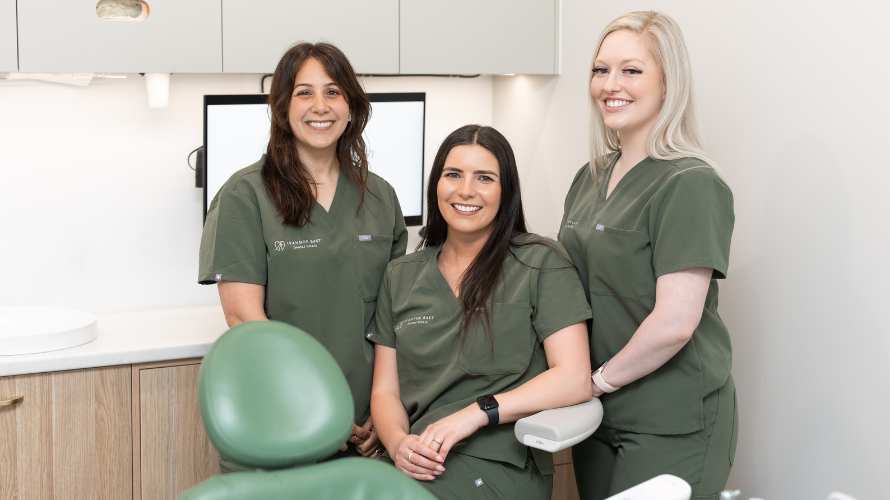
Your dentist is here to help
A healthier smile without the hassle
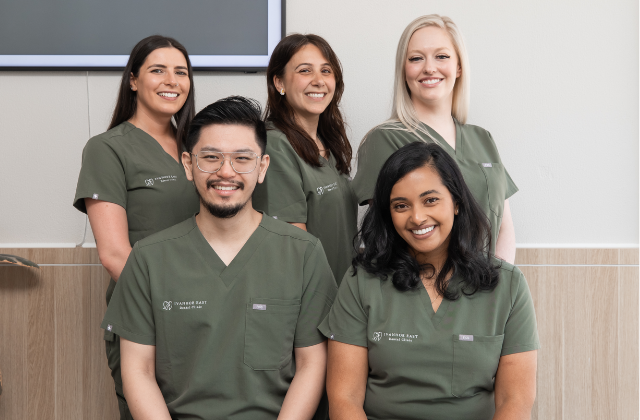
Our Professional Team

HICAPS & Flexible Payment Solutions*
At ieDental, we accept 100% of Australian private health insurers through HICAPS for instant rebates. For treatment balances, we offer a variety of manageable payment plans to suit your budget.
































*Terms and conditions apply. Please ensure you bring your physical or digital health fund card to your appointment.
Why choose our Dental Clinic
Comfort-focused care
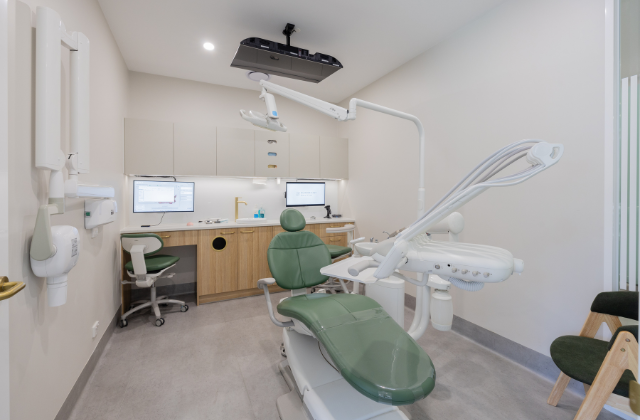
Modern equipment
Transparent prices
FAQ
Recovery & Aftercare
While we’ll provide you with detailed information about how to take care of your surgical site following wisdom teeth surgery, here are some do’s and don’ts to keep in mind:
Do:
- Keep the swab or gauze over for the recommended time to help with clot formation
- Apply an ice pack to your cheek in 15-minute intervals to reduce swelling
- Stick to soft foods like yoghurt and soups for the first few days
- Stay hydrated, but avoid using a straw
- Take your medications, including a gentle pain reliever and prescribed antibiotics, as directed
Don’t:
- Smoke or use tobacco products for at least 72 hours
- Eat crunchy, hard, or spicy foods that could irritate the surgical site
- Rinse your mouth vigorously or spit forcefully for the first 24 hours
- Steer clear of heavy exercise or strenuous activity for a few days
- Touch the surgical area with your tongue or fingers
Advanced Technology for Your Comfort
We partner with global leaders in dental innovation to provide precise diagnostics and gentle treatment experiences.